Angola – Family Strengthening
Location: Benguela, Angola
Focus Areas: Access to a safe home when growing up
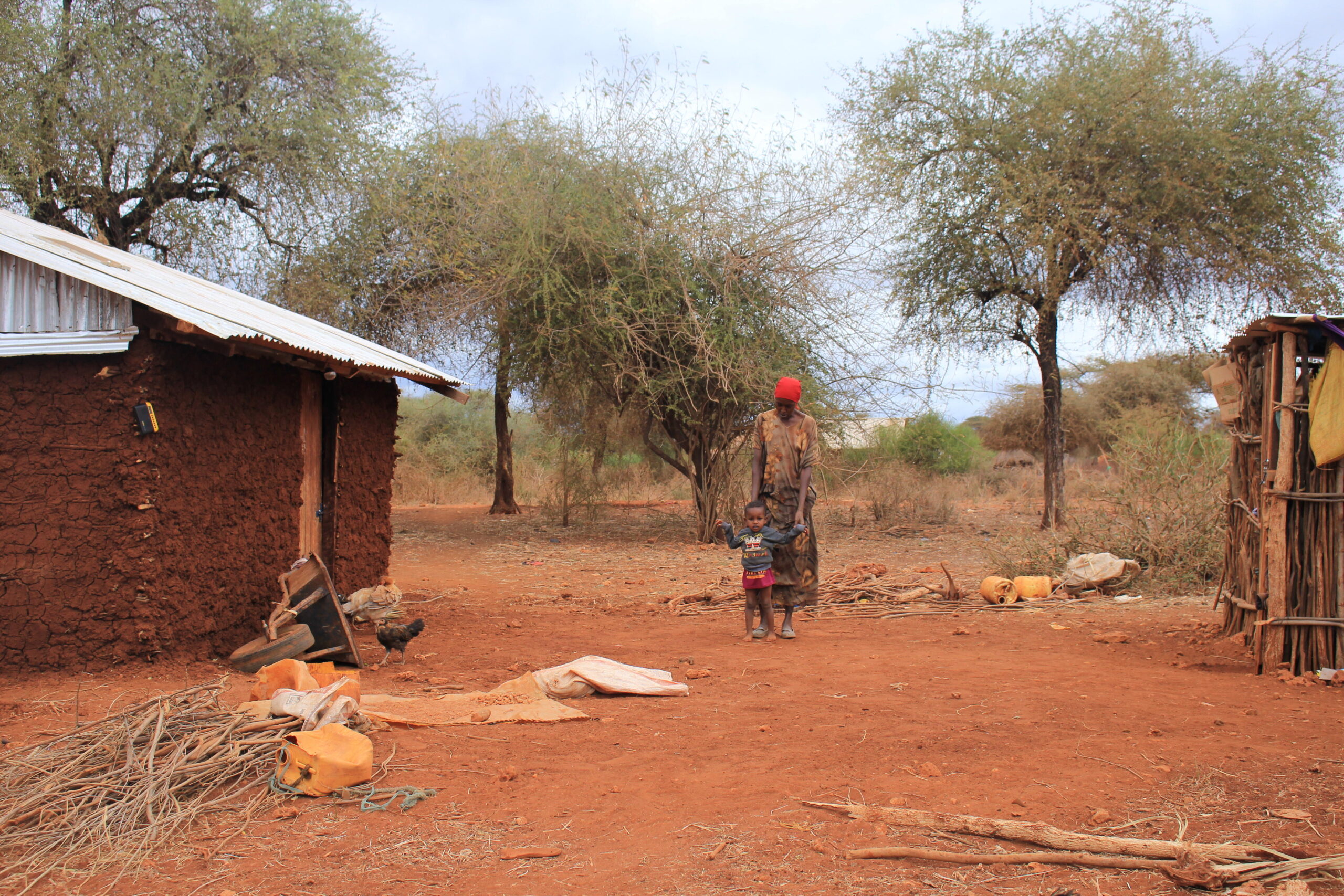
There are an estimated 3.4 million vulnerable children in Angola, with poverty being the primary cause of families being separated. Children growing up in these impoverished environments lack proper nutrition, education, and health services. Another compounding problem is a lack of personal identity documents for children and their families, which prevents them from participating in state projects which distribute food and other necessities.
This programme works with local community-based organisations, alongside the Department of Education and the Department of Health in Angola. The programme has three components:
Family Strengthening: SOS Angola works closely with the local government to partner with families that are considered at high risk on the vulnerability index. With every family that enters the program a specific family plan is created. This plan is based on a three to five-year timeline for them to become self-sufficient and able to provide their children’s basic needs. The first step of these plans is to provide training for the caregivers in the family so that they can earn a solid income that enables them to support their families. Caregivers also receive community-based training where they learn about gender-based violence, mental health, children’s rights and how to meet their family’s needs. These training classes are also open to the wider community.
Education on sexual well-being and sexual violence prevention: through community training, children, caregivers, and religious leaders all receive education on sexual and reproductive health, and the prevention of sexual abuse.
Obtaining identity documents: SOS-Angola works with government authorities to provide birth registration and identity cards for children, youth, and their families. This helps them to gain access to basic government services.
Overall Goals
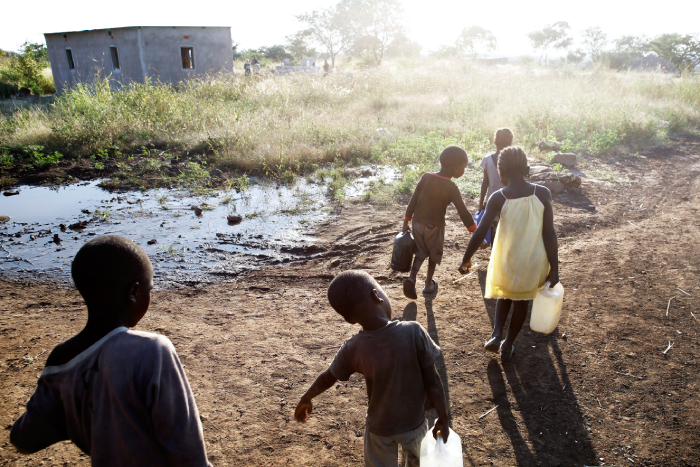
- Communities are educated on children’s rights and needs, mental health, sexual health and the prevention of sexual violence
- Children and youth at risk of losing parental care have an equal chance to succeed in life.
- Children and young adults have access to essential services
- Families/caregivers are economically empowered to respond to the needs of their children
Photo: Paal Audestad
Key Facts About Angola
- Population (2020): 32.8 million
- Population under 15 years old (2020): 46%
- Life expectancy (2020): 61 years
- Percentage under national poverty level (2018): 32.8%
*All statistics taken from data at The World Bank
1000
Children reached
2021-2023
Funding Duration