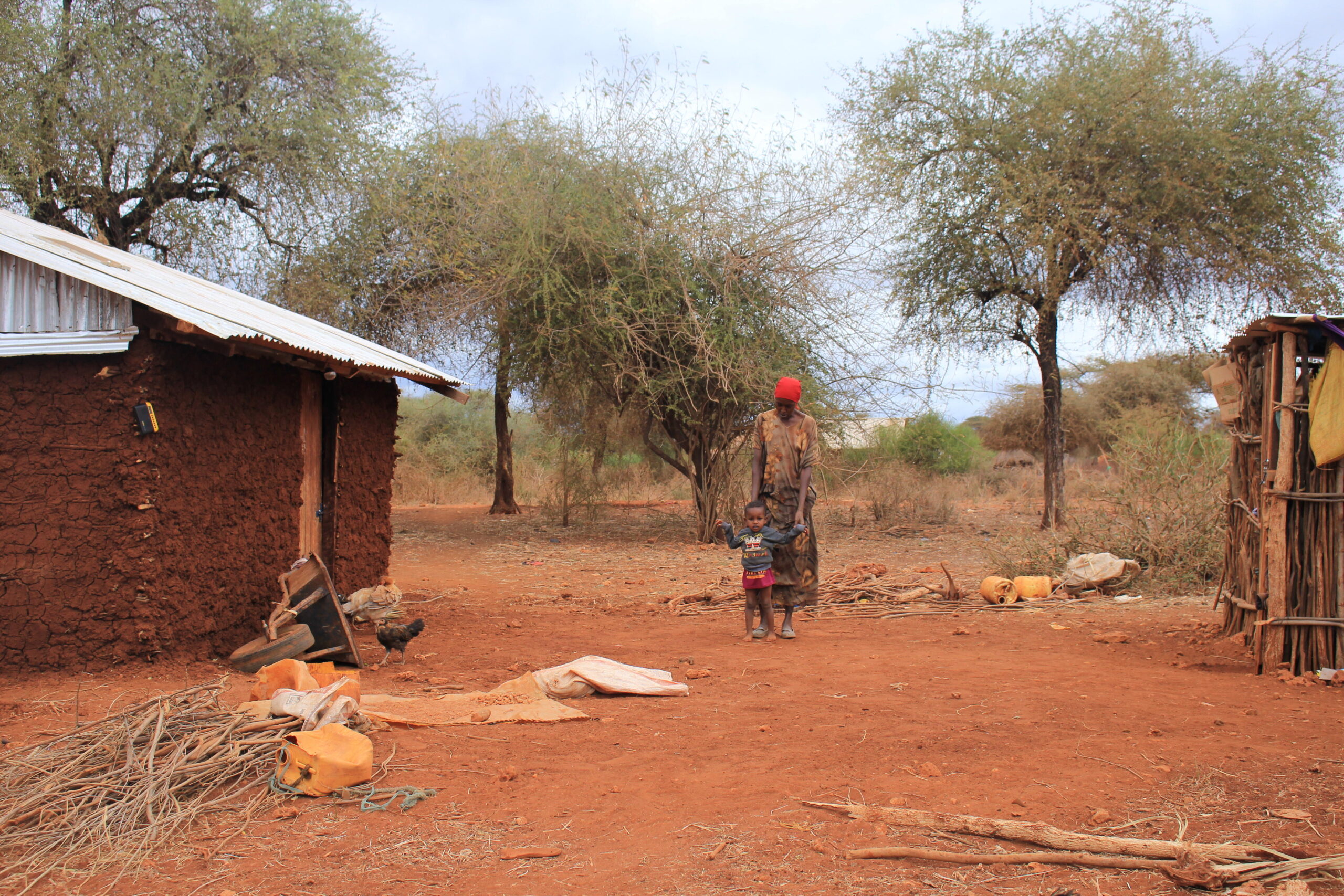
Horn of Africa – Emergency
Location: Baidoa, Bal’ad, Hudur, Burhakaba, Berdale and Heliwa
Context:
Somalia’s humanitarian crisis is among the world’s most complex and is characterised by recurrent internal conflict and increased frequency of climate shocks. The cumulative effect of both violence and climate shocks continues to drive displacement, destroy livelihoods, leaving millions of people in urgent need of assistance. Many communities initially displaced by drought or conflict have been displaced a second or third time by floods or renewed violence. These repeated displacements have left many in need of shelter, food, health, protection and livelihood support.
In 2024, conflict was the main driver of internal displacement and overall, 3.5 million remain displaced across Somalia. When families are displaced, there is a great danger for children to lose contact with their parents or caretakers. In addition, when families settle in temporary internally displaced camps, the fathers or male caretakers often travel to cities to find jobs. Thus, one of the consequences of the complex crisis in Somalia is that families separate, and children end up alone. It is very difficult to find exact numbers of Unaccompanied and Separated Children. Children not living with primary caregivers or not in any protective environment are at heightened risk of all forms of abuse, exploitation, violence and neglect. Lack of protection increases the risk of recruitment into armed groups, sexual violence, neglect, exploitation, and other forms of abuse.
Program Description:
The Somalia Humanitarian Response project, supported by Heimstaden, is implemented to support crisis-affected communities across SOS Somalia’s operational areas in southern Somalia, covering the South-West, Banadir, and Hirshabelle states. The programme aims to provide fair and dignified access to essential health, nutrition, WASH (Water, Sanitation, and Hygiene), and protection services, thereby reducing the mortality rate among children affected by drought, floods or conflict, who, amongst others, suffer from diseases due to inadequate healthcare and poor living conditions. The project targets vulnerable groups, children and families in host communities, among internally displaced persons (IDPs), and also includes children and parents with disabilities. The project addresses the critical needs of crisis-affected populations by preventing and responding to disease outbreaks, treating malnourished children with medical complications, improving hygiene conditions – particularly in IDP sites – and providing essential non-food items and family utensil kits.
Overall Goals
- Crisis-affected populations in South-West, Banadir and Hirshabelle districts access and utilise basic lifesaving primary health and nutrition services.
- Crisis-affected populations have enhanced mental health and well-being.
- Crisis-affected populations have access to and utilise improved WASH services.
- Crisis-affected children have access to Child Protection in Humanitarian Action services, including case management and psychosocial support services.
Key Facts Horn of Africa:
- Population (2023): 18.23 million people*
- Population under 15 years old (2023): 46.68%**
- Life expectancy (2022): 56,11 years*
- Percentage under national poverty level (2022): 54.4%
*Statistics taken from the latest available data at The World Bank
**Statista
***Our World in Data
52,400
Children reached
2021-2023
Funding Duration