Nigeria – Family Strengthening
Location: Gwagwalada, Oyo State and Plateau State.
Focus Area: Access to a safe home when growing up.
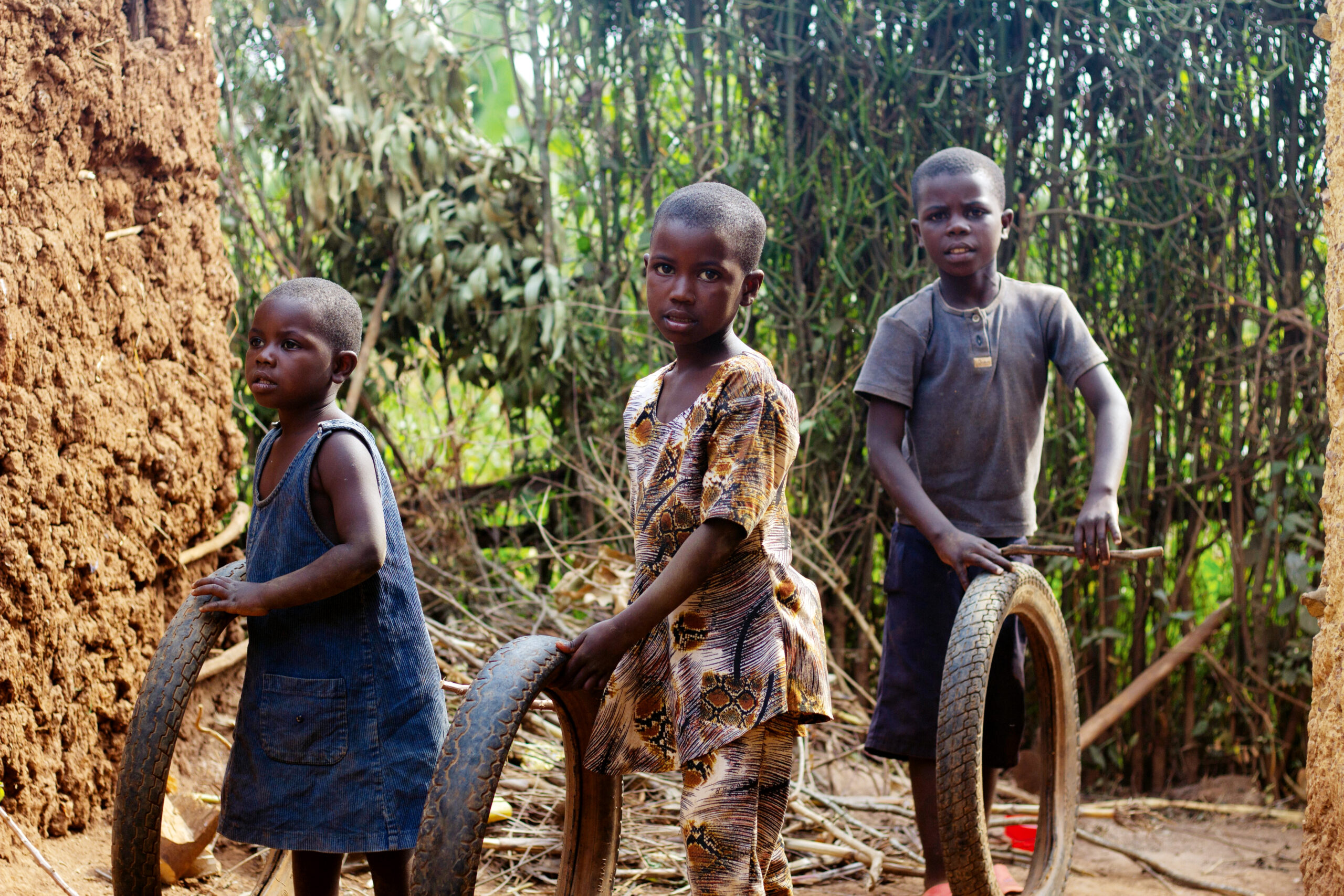
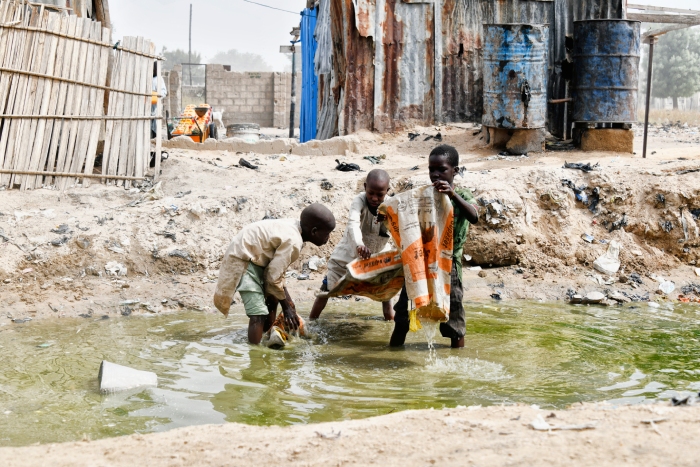
In Nigeria, approximately 17.5 million children are orphans or vulnerable children, with 2.5 million of those losing their parents to HIV/AIDS. Although it is customary for family and community members to take on the role of caregivers for these children, the capacity and resources of family members and communities are being overextended due to the growing number of children without parental support and the complexity of their needs. Extreme poverty is one of the root causes for families not being able to provide for their children. This means that many children do not get adequate food, they may be sent out to sell things on the street, their education is neglected, and often they are at high risk for abuse. Girls in particular also face a high risk of sexual abuse, unwanted young pregnancies, and child marriage.
In 2021, the programme supported 1500 children in their own families, and in 2022, this programme was expanded to even more children in two new locations. Through training on positive parenting and children’s rights, workshops, and family visits, the parents and caregivers increase their capacity to look after their children and support them properly as they grow up. These trainings work to create a safe environment for children to live in, free from abuse and violence, with a particular focus on girls who are affected disproportionately.
Caregivers are also supported to achieve a sustainable income that allows them to provide everything their children need in terms of nutritious food, education and essentials like clothes and shoes. To do this, caregivers are trained in business and financial management, with support to start or expand their own businesses. The programme also facilitates the formation of village savings and loan associations to financially strengthen the community.
Within this initiative, youth are also trained in various vocational skills like catering, hairdressing, barbing, beading, crafts and computer skills. This improves their opportunities of finding work when leaving home.
All project activities are implemented through partnerships with community-based structures. This builds community ownership of the programme and a solid foundation for long-term sustainability.
Overall Goals
- Improved conditions for vulnerable children and their families.
- Reduction in child abandonment through working with stakeholders to prevent violations of children’s rights and improve their care throughout communities.
- Improved capacity of caregivers to provide adequate parental care and family economic livelihood.
- Reduced youth vulnerability through youth economic capacity development and empowerment initiatives.
Photo: Moshood Raimi
Key Facts Nigeria:
- Population (2020): 206.1 million.
- Population under 15 years old (2020): 43%.
- Life expectancy (2020): 55 years.
- Percentage under national poverty level (2018): 40.1%.
*All statistics taken from data at The World Bank.
8,279
Children reached
2021
Funding Duration