Norway – Safe Spaces for Family Visitations
Location: Oslo, Norway
Focus Area: Access to a safe home when growing up
In Norway, the Child Protection Service (CPS) can, under very restricted conditions, remove a child from their parents’ care and into a suitable care option. In such cases, the child and the parents have a right to have contact through regular visitations, except in very special cases. Consistent and frequent contact between parents and their children in out-of-home care can reduce trauma for the children, strengthen and maintain family relationships and decrease the sense of abandonment that children often experience when they are removed from their parents.
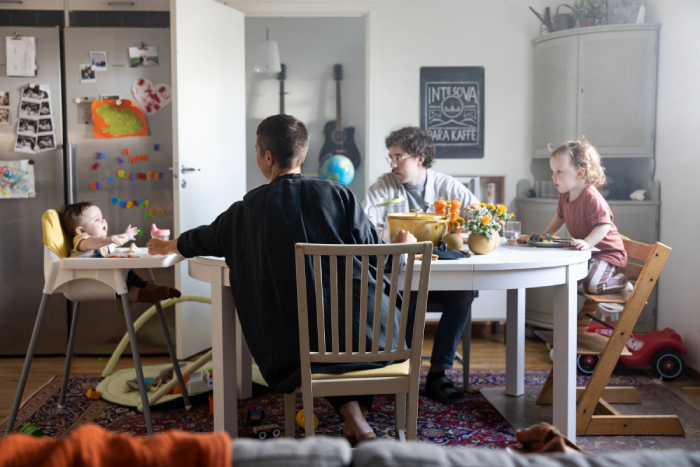
Most visitations are held in unsuitable spaces, like the offices of CPS or busy public cafes. These facilities can be difficult and stigmatising for the children and parents, and some children have strong negative reactions. In addition, they are not suited for normal family activities such as cooking food or playing with toys.
Through this co-created activity, SOS Norway and Heimstaden have come together to provide safe and suitable environments for these family visitations. We are currently providing a Heimstaden apartment where CPS and SOS Norway work together to manage visits of children and their parents. This apartment has been fully furnished and has everything necessary to cater to the needs of CPS and the families.
Overall Goals
- Develop appropriate settings for hosting visitations between parents and their children in out-of-home care
- Children, parents and foster parents have a good experience during the visitation and are able to feel heard and valued.
- CPS has the capacity to facilitate visitations that are in the best interest of the child.
- All visitations are safe for the children, and there is no risk for the child during the visitation.
- Access and booking the visitation apartment is experienced as easy and “hassle-free” for CPS.
Key Facts Norway:
- Population (2020): 5.4 million
- Population under 15 years old (2020): 17%
- Life expectancy (2020): 83 years
- Percentage under national poverty level (2018): 12.7%
*All statistics taken from data at The World Bank
147
Children reached
2022-2023
Funding Duration