Somalia – Hydroponic Farming
Location: Mogadishu and Baidoa
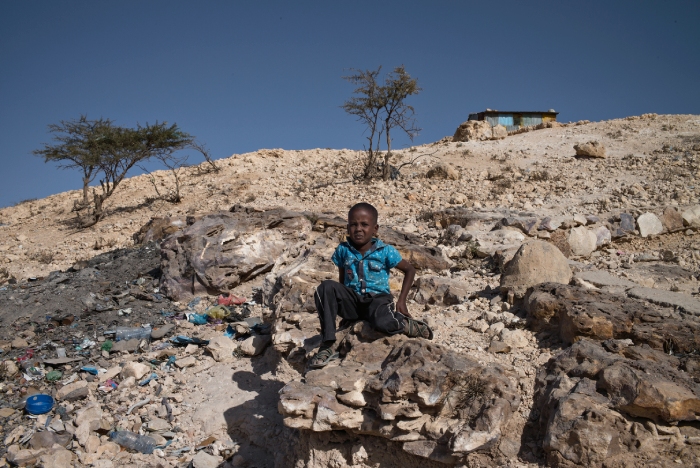
Somalia is currently experiencing a humanitarian crisis due to extreme drought. Droughts in Somalia are becoming more frequent and severe because of climate change, causing widespread food shortages, environmental damage, scarce economic opportunities, and social instability. This trend has devastating consequences for vulnerable families, particularly those living in camps for internally displaced persons. This often results in parents having to move far from their homes for food, water, or work, leading to the separation of children from their families. This separation further exposes the children to exploitation, violence, abuse, child labour, and early marriage for young girls. Food scarcity and drought conditions have therefore led SOS Somalia to look for new and innovative ways to provide food and stable incomes to vulnerable families.
In 2022, SOS Somalia partnered with Hydroponics Africa to pilot their hydroponic farming technology. This technique grows food and animal fodder with higher amounts produced than traditional farming, while also using less water and fertiliser. The system uses water 90% more efficiently than traditional methods by recycling the water in a closed system. It also allows farmers to precisely control nutrient levels in the water to optimise plant growth and save money on fertiliser costs. Due to the high levels of food grown with this farming system, families can produce enough food for themselves and then sell the excess at local markets, providing an additional stable income source.
This programme was successfully piloted in 2022 and will now be scaled up to reach 200 vulnerable families across Somalia. This will happen in several steps, beginning with providing the equipment and training to small-scale farmers, women and youth on how to set up, use and maintain the system. The programme will then provide more in-depth training to selected core farmers who will be able to train others and have the responsibility for maintaining the equipment. Finally, the programme aims to set up farmer business groups that can facilitate and provide access to loans for farmers to start their own businesses.
Through this process, Hydroponics Africa will provide technical guidance and training in cooperation with SOS. In addition, to monitor, review and evaluate the program, SOS Somalia has partnered with ZamZam University in Mogadishu. This ensures the programme will be well documented and the learnings shared.
Overall Goals
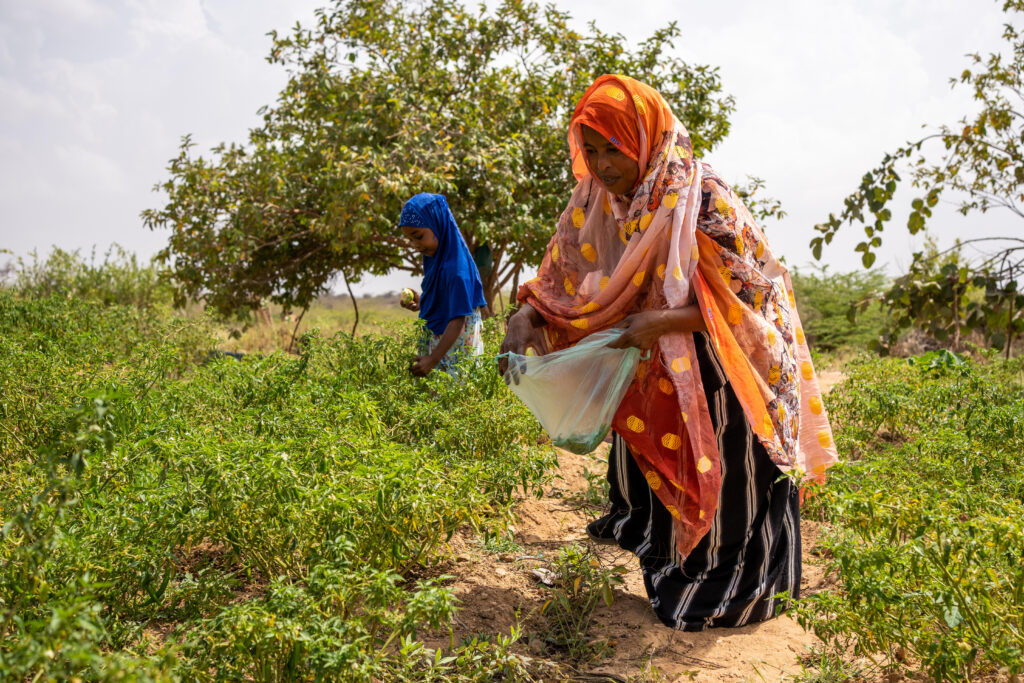
- Reduce climate-related poverty and hunger in target communities using innovative climate-smart farming technologies.
- Targeted communities are more resilient towards the negative impact of climate change.
- Women and youth have increased incomes.
- Knowledge and awareness of hydroponic farming are increasing in Somalia.
Photo: Lydia Mantler.
Key Facts Somalia:
- Population (2020): 15.9 million.
- Population under 15 years old (2020): 46%.
- Life expectancy (2020): 58 years.
*All statistics taken from data at The World Bank.
273
Children reached
2022
Funding Duration