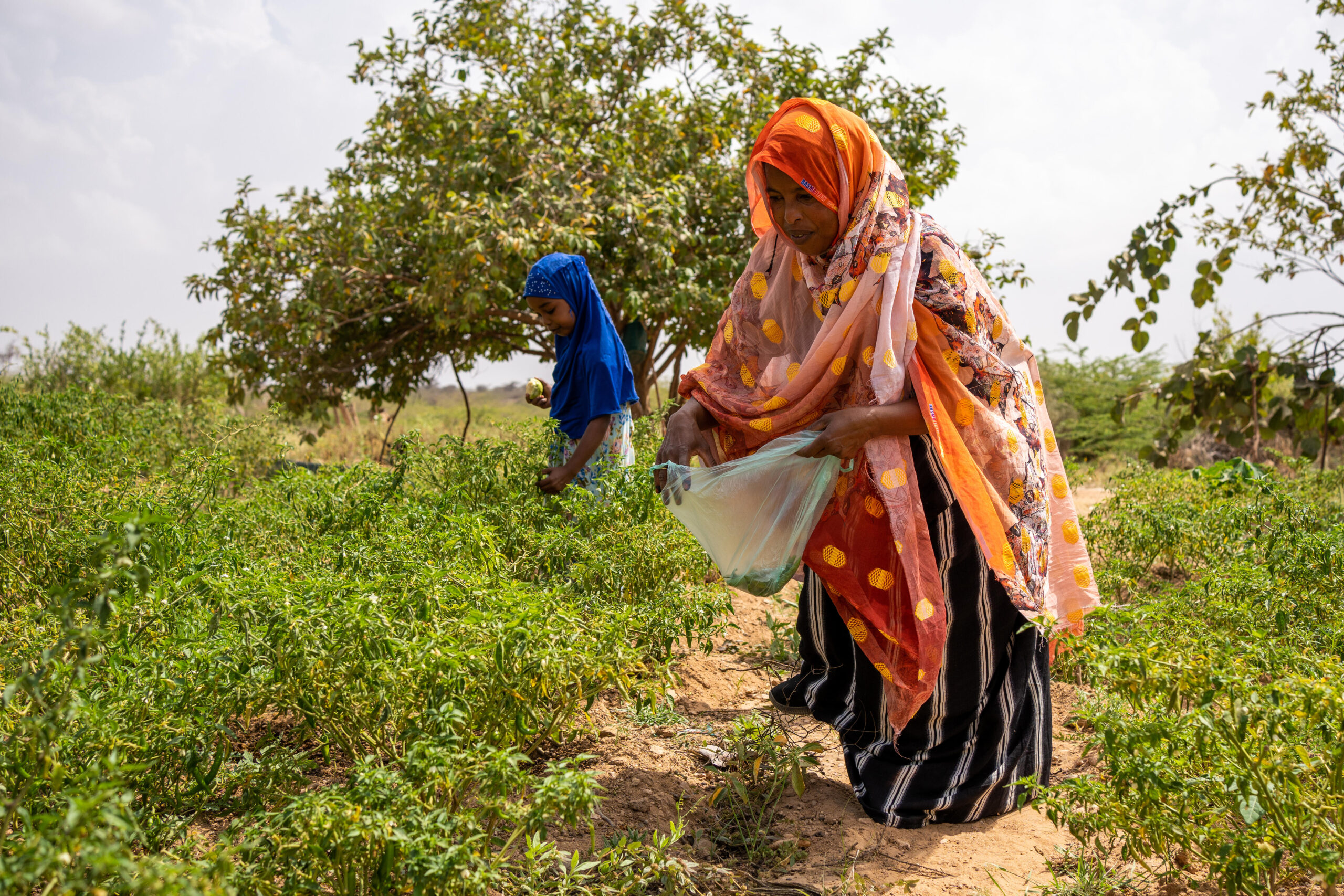
Mozambique – Youth Care and Empowerment
Location: Chimoio & Inhambane, Mozambique
Focus Area: Build a skillset to become self-sufficient
More than 2.1 million children in Mozambique are growing up without either one or both parents. Due to high levels of poverty, many families struggle to cover the cost of the most basic needs like running water, regular food, or education. Only 40% of children who attend school complete primary level education, with the average time spent at school being only 3.5 years.
This Youth Care and Empowerment programme provides care and support for youth, intending to prepare them for a self-sufficient, independent life.
The programme supports approximately 280 youth in two locations. The youth enrolled are from both family-based care and semi-independent homes that are supported by SOS Mozambique. The youth receive training in skills like home economics, financial management, food preparation, and house cleaning. They also have sessions on sexual and reproductive health to ensure they are aware of their rights and are educated to make good choices in the future. This training is provided by youth care professionals and mothers from the family-based care programmes who are trained in coaching and mentoring techniques.
To ensure the best outcomes for the youth, each person has their situation and individual needs assessed in a participatory process to create an individual development plan. This plan tracks the youth’s progress towards goals like higher education, employment, and entrepreneurship, and is continuously updated and reassessed.
Activities conducted and supported by this youth care programme also have additional benefits for the children in family-based care as indirect beneficiaries. For example, they gain access to computers and the internet, and are able to participate in some of the training sessions with their siblings.
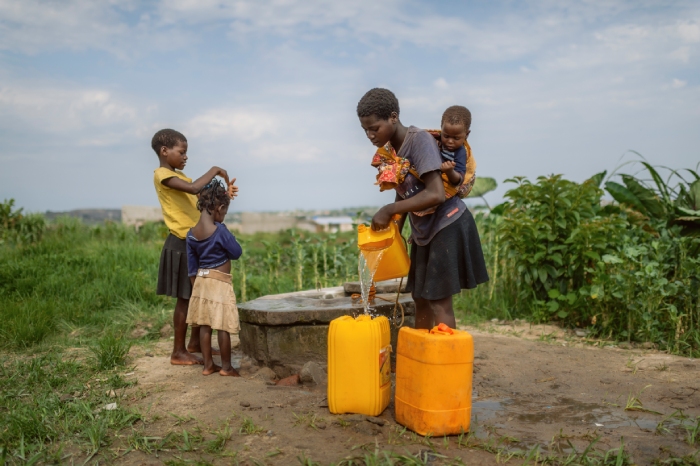
Overall Goals
- An increased number of young people are self-reliant, independent, socially integrated and able to contribute to society.
- Young people are provided with the care option that is in their best interest.
- Young people have access to relevant education and skills development, including employability and entrepreneurial skills.
- Caregivers and support staff have the skills and knowledge to support the development of young people to require skills and capacity for self-reliance and independent living after leaving care.
Photo: Paal Audestad
Key Facts Mozambique:
- Population (2020): 31.2 million
- Population under 15 years old (2020): 44%
- Life expectancy (2020): 61 years
- Percentage under national poverty level (2014): 46.1%
*All statistics taken from data at The World Bank
287
Children reached
2021-2023
Funding Duration