Sweden – Family Strengthening and Youth Support
Location: Gothenburg & Stockholm, Sweden.
Focus Area: Build a skillset to become self-sufficient.
Youth leaving alternative care in Sweden often exit the municipal care system due to age limitations and legal restrictions even if they still have a need for care. These young people often experience a lack of parental/other adult support after they have left care, leading to higher social, health and economical risks such as unemployment, mental and physical illness, young pregnancies, drug abuse and crime. The support that is given is often fragmented and lacks a holistic approach.
Through this programme SOS Sweden works individually with each youth to create personal goals and an action plan to achieve them during a 12–24-month period. The youth receive individual support in the form of mentorship, and practical help with things such as getting a driver’s license, financial literacy education, and learning to live by yourself. They also receive group trainings together with other youth on subjects such as health, living and employment.
Immigrants and refugees from outside of Europe that reunite with their children in Sweden receive insufficient support from society and therefore often rely heavily on their children for accessing public services. This undermines the role of the parent as head of the family and can lead to stress and conflict within the family unit, which in turn hampers the integration process. Due to this exclusion and overall difficulties in taking part in the Swedish society and welfare system, these families face higher risks of breaking down, leading to the placement of children in alternative care.
Through this programme participating families receive individual family support from a family mentor who helps them to feel more secure in their parenting role and orientate themselves in the Swedish society. Support can include help to fill out official forms, visits/communications with authorities, job applications, and more. Caregivers also participate in group activities, including group support meetings and educational activities.
These programmes support over 300 people per year with both group activities and individual support and are both in the development phase, with the goal to develop proven methods to be used across municipalities in Sweden. Progress is measured with indicators such as whether the youth/parents are employed or enrolled in studies, what their mental health looks like, their living conditions and much more.
Overall Goals
- An increased number of self-reliant, independent, socially integrated and contributing youth.
- Families provide quality care and protection for vulnerable children.
- Two proven methods with qualitative and quantitative results.
- Use the results to advocate for the target group’s rights and needs.
- Responsible authorities react and take action to meet the target group’s rights and needs.
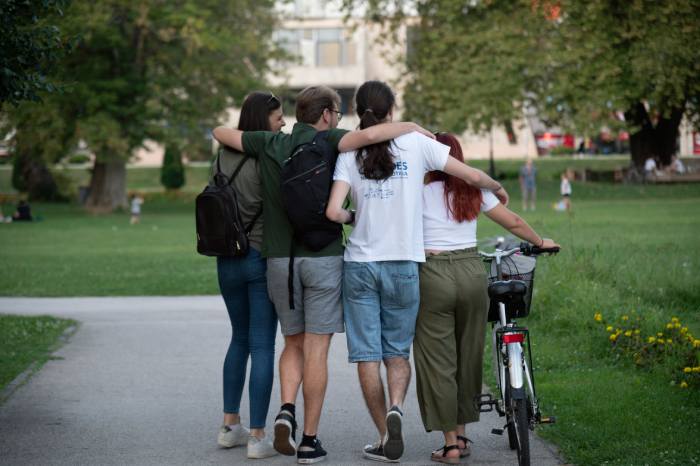
Photo: Katerina Ilievska
Key Facts Sweden:
- Population (2020): 10.3 million.
- Population under 15 years old (2020): 18%.
- Life expectancy (2020): 82 years.
- Percentage under national poverty level (2019): 16.1%.
*All statistics taken from data at The World Bank
351
Children reached
2021-2023
Funding Duration